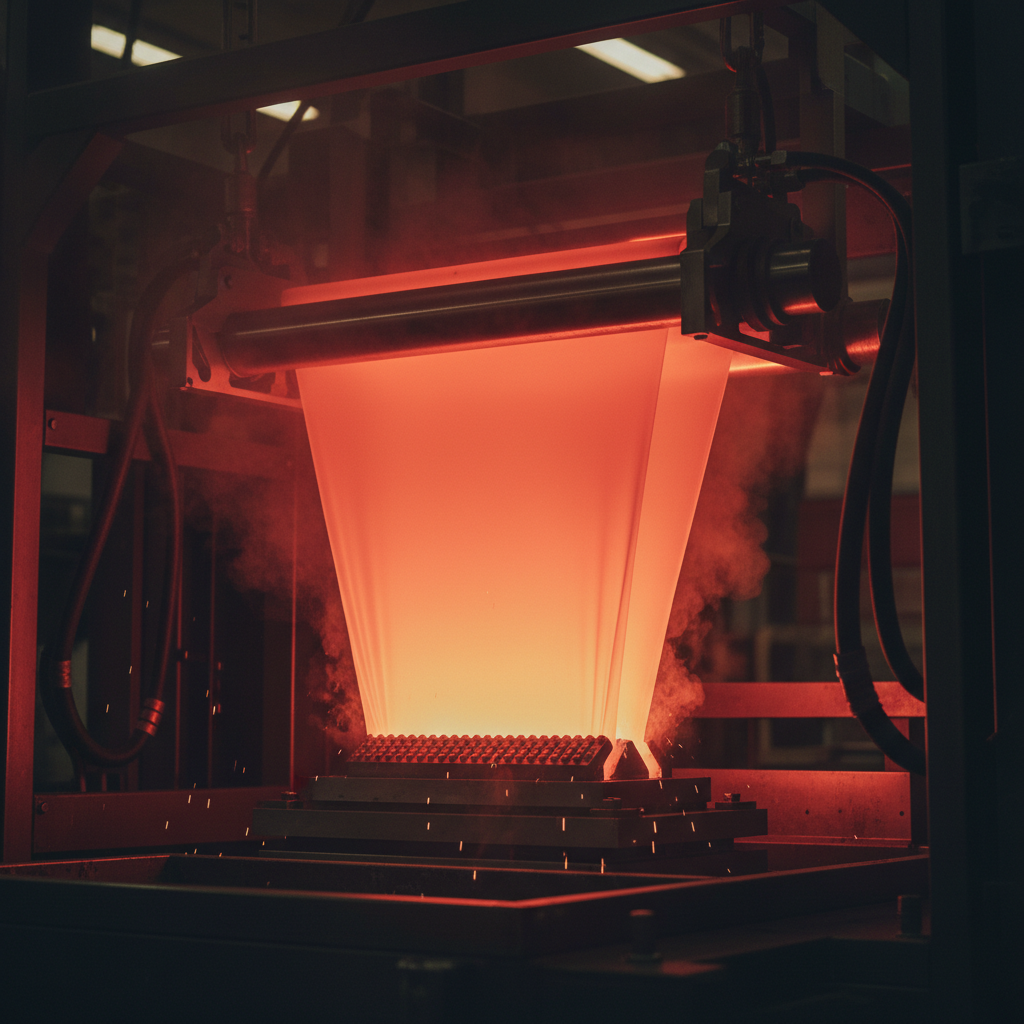
From Sheet
to Shape
in One Cycle.
Precision thermoforming equipment engineered for packaging, medical device, and automotive production lines. Every machine shipped holds ±0.5mm across a full production run.
Gauge packaging line:
From 22% scrap to 3.1%
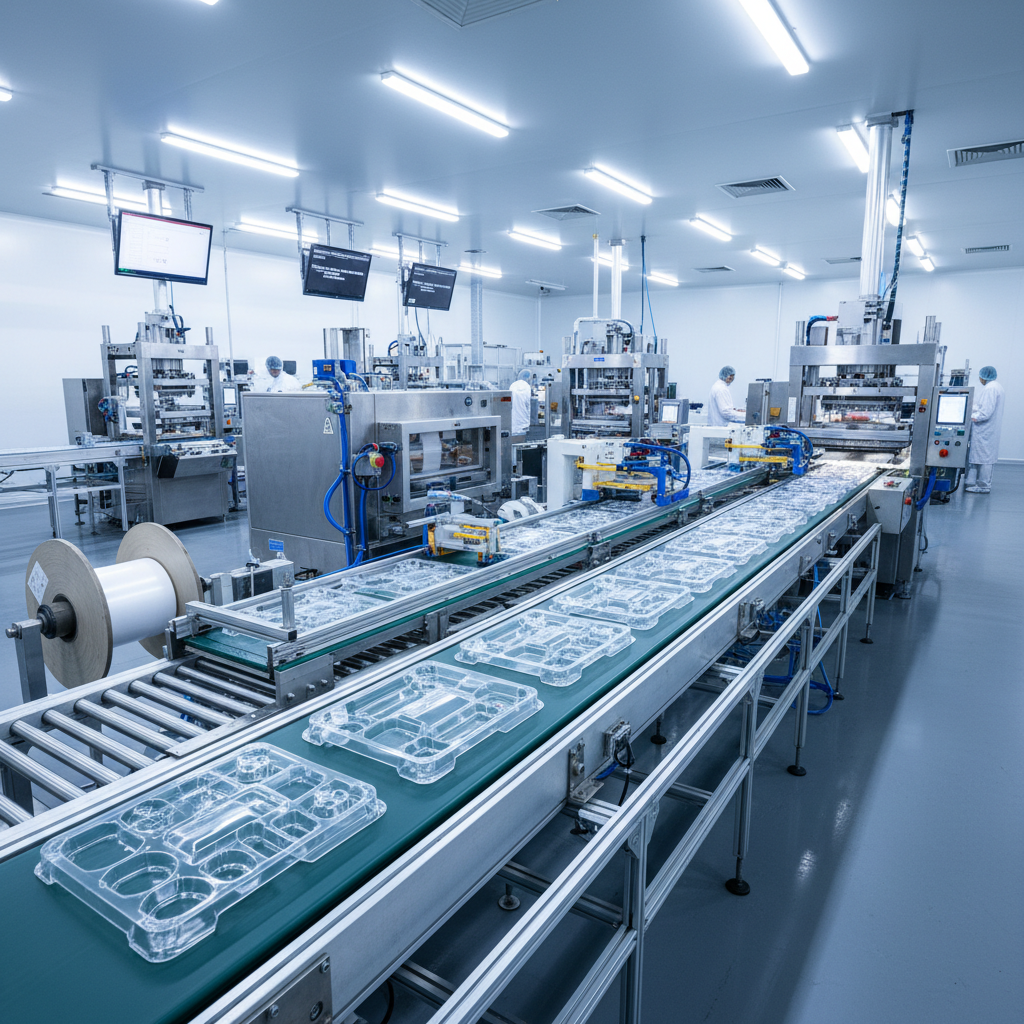
Aging rotary former couldn't hold wall thickness across a 24-inch sheet
A Wisconsin-based contract packager running 18-hour shifts on blister trays for a medical device OEM was seeing 22% scrap on their flagship SKU. The root cause: their 2009 rotary thermoformer had 14% heat variance across the forming zone. Wall thickness ranged from 0.018 to 0.031 inches on a part spec'd at 0.022 ±0.002. Every bad pull cost 38 seconds of cycle time to detect and reject.
FT-400: 3-Zone Closed-Loop IR with ±2°F Zone Control
"Wall thickness now holds 0.022 ±0.001 across the full sheet. We haven't had a heat-related reject in 7 months." — Production Manager, WI
Configure a forming station matched to your sheet size, material, and cycle target.
Class II device housing:
99.2% first-pass yield
Tolerance drift on deep-draw PETG housings failing FDA dimensional audit
A contract manufacturer producing housings for a portable infusion pump ran into a compliance wall: their existing shuttle-press thermoformer showed 0.8mm positional drift after 4 hours of continuous operation as the platen guide rails thermally expanded. The FDA audit required ±0.25mm on 7 critical dimensions. Rework labor was consuming 18% of production hours.
FT-700P: Linear-Encoder Servo Press with Thermal-Compensated Rails
"We passed our next FDA dimensional audit with zero findings. The machine hasn't drifted outside spec in 9 months of 3-shift operation." — Quality Director, MN
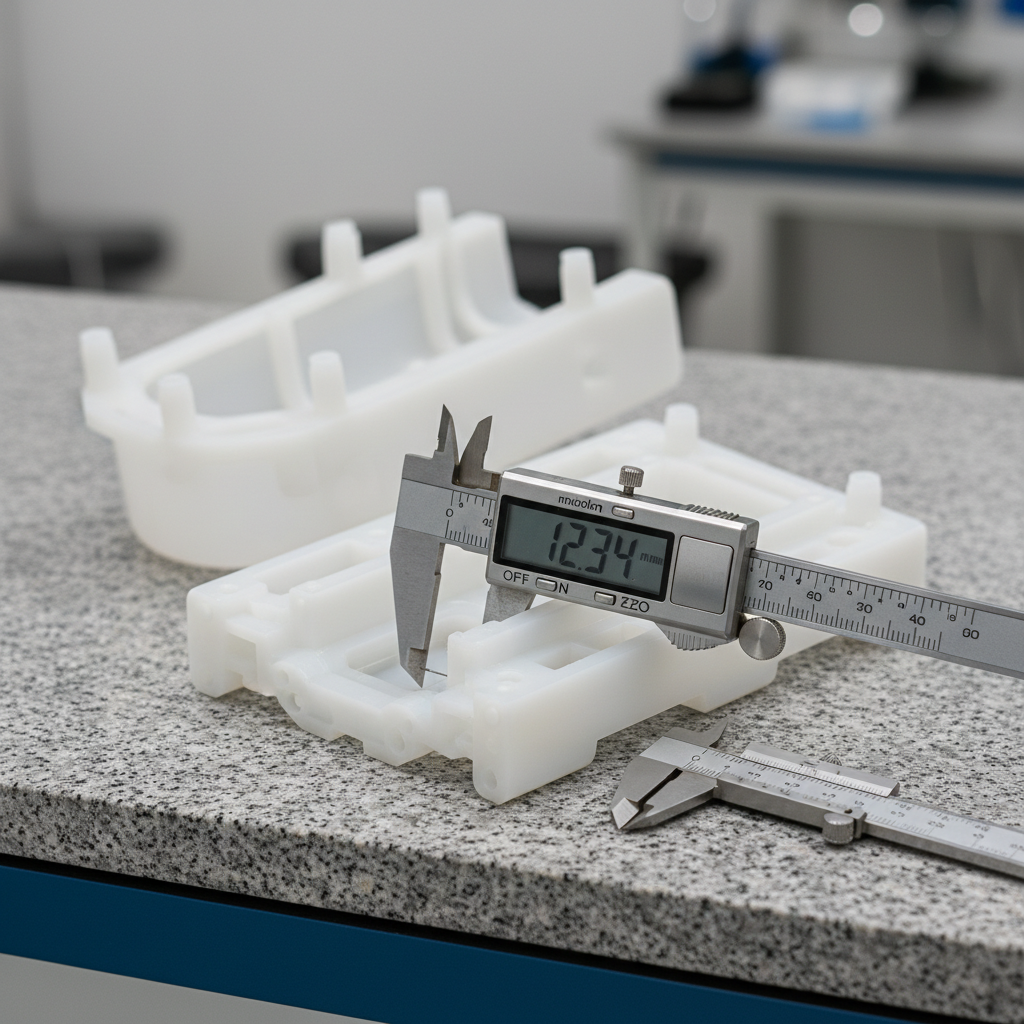
The FT-700P ships with a full dimensional validation package and IQ/OQ documentation.
Tier-1 door panel insert:
6.8-second twin-sheet cycle

Competitor machine: 11.4s cycle, 4.8% flash, constant trimming rework
A Tier-1 seating supplier producing door panel inserts for a Detroit OEM was locked at 11.4-second twin-sheet cycles on their incumbent machine. Flash rate of 4.8% on the weld seam required manual trimming — adding 1.2 seconds per part and consuming 2 operators per shift. The OEM's new model year target was 7-second cycles. The contract was at risk.
FT-1200 TwinForm: Simultaneous dual-station with active seam pressure
"We hit 6.8 seconds in week 3 of commissioning. The OEM re-awarded us the next model year." — Plant Manager, MI
Configure a machine for twin-sheet, deep-draw, or high-cavitation production.
The configurator walks you through forming area, heat zone count, press force, and trim-in-place options. Output is a detailed equipment proposal with cycle time estimates based on your material and geometry.
The FT Series:
Spec every dimension.
Four machine classes covering every production application from high-volume blister packaging to low-cycle twin-sheet automotive assemblies.
| Model | Forming Area | Base Cycle | Press Force | Heat Zones | Applications |
|---|---|---|---|---|---|
FT-400 Compact Production | 24×18 in. | 8.2s | 4 tons | 3-zone IR | Rigid packaging · Blister trays · Clamshells |
FT-700P Precision Medical | 36×24 in. | 10.4s | 12 tons | 6-zone IR | Device housings · Sterile trays · Diagnostic panels |
FT-1000 Industrial Heavy-Gauge | 48×36 in. | 12.8s | 24 tons | 12-zone IR | Refrigerator liners · HVAC ducts · Equipment covers |
FT-1200 Twin-Sheet Automotive | 60×48 in. | 6.8s | 36 tons | 48-zone IR | Door panels · Headliners · Underbody shields |
All FT Series machines are validated for the above materials at gauge ranges 0.010–0.250 in. Contact engineering for exotic alloys and specialty films.
Configure your machine online in 8 minutes.
Select forming area, material class, target cycle time, and optional features. Receive a detailed equipment proposal within one business day.
Still comparing? Get the full spec sheet.
Complete dimensional drawings, electrical schematics, cycle time tables by material and gauge, and tolerance specifications for all four FT Series models. 47 pages.